The topic is the Pluses and or Minus’s of Uniforming Primer pockets and Flash holes… Im being swayed to try why or why not…Discuss.
I’ve never seen a test that showed any benefit from doing it.
I can honestly say I went pretty deep on this topic because I was convinced there would be a benefit. This is certainly one of those reloading rabbit holes that Jim and Garret talk about.
I started with factory brass (sorted by head stamp and weight) and was horrified by the ragged flash holes that were punched, not drilled, so out of round, burrs, etc. So I bought the K&M flash hole uniformer (uniforms the flash hole diameter and bevels the edge inside the case) and touched up every flash hole. They certainly LOOK a lot better and I tell myself the combustion must be more consistent. I was getting single digit SDs afterwards, but I don’t have before and after data as evidence that it was worthwhile…an early rookie mistake on my part. When I bought Lapua brass, the flash holes were beautiful - uniform, beveled edges, etc. So zero need to touch them…I could only screw them up. I assume you would see the same with Peterson, Alpha, and ADG brass.
Now for primer pockets - rabbit hole #2. I have measured primer heights and pocket depths and gathered velocity data to study what effect anvil crush has on velocity consistency. I wanted to prove to myself what others have already said on Youtube. I’ve measured 50+ primers and primer pockets (using the Accuracy One Precision Primer Pocket Gauge), seated the primers, measured the depth, and calculated anvil crush…then shot them with a chrono. The results? Shockingly low correlation between pocket uniformity, primer height, anvil crush, and the resulting velocity consistency.
If you uniform primer pockets to a consistent depth, what does it matter when a batch of primers has height variance of .008" or more (using Fed 210). Match primers (Fed 210M) were a bit more consistent, but not so consistent that you could strive for a consistent .001"-.002" anvil crush recommended by Federal…unless you also sorted the primers by height as well.
Youtube channel “Winning in the Wind” did a test on anvil crush - concluded it’s not worth pursuing. I proved that to myself after a lot of brain damage. And Erik Cortina rolls his eyes when talking about this. He says buy Lapua brass, use Berger bullets and don’t worry about the rest.
After all of this, I’ve settled back into what I learned from Jim in the beginning of my handloading journey - Frankford Arsenal hand priming tool, do it by feel. You can tell when the primer bottoms out in the pocket, give it a slight nudge to ensure there is anvil crush. Done.
I hope the time I wasted on this saves you from doing the same.
I have friends who swear buy It they. They weigh and measure bullets as well. The results seem to play out 450 yds 25 shots : 6gt 109 LRHT 35.88gr h4350 Lapua srp fed Match primer. 26” comp barrel 7.5 twist it would seem that it’s a combination of many many many things so I don’t know how you break it out but like this one, this guy does it every single time he yells he does the prep work on primers and blast holes and of course the process is meticulous but this below is his wife shooting at 450 yards not him blew me away. It’s really what sparked me to even ask the question so I’m gonna do a little test and see what it does. It would seem from my research that this kind of stuff is gonna tighten me up somewhere between 2-4 mph per item so his SD. Is 2.4 and Ed is 6 That seems to play out Do I need that level of precision? Prob not it’s more just to see if I could get there
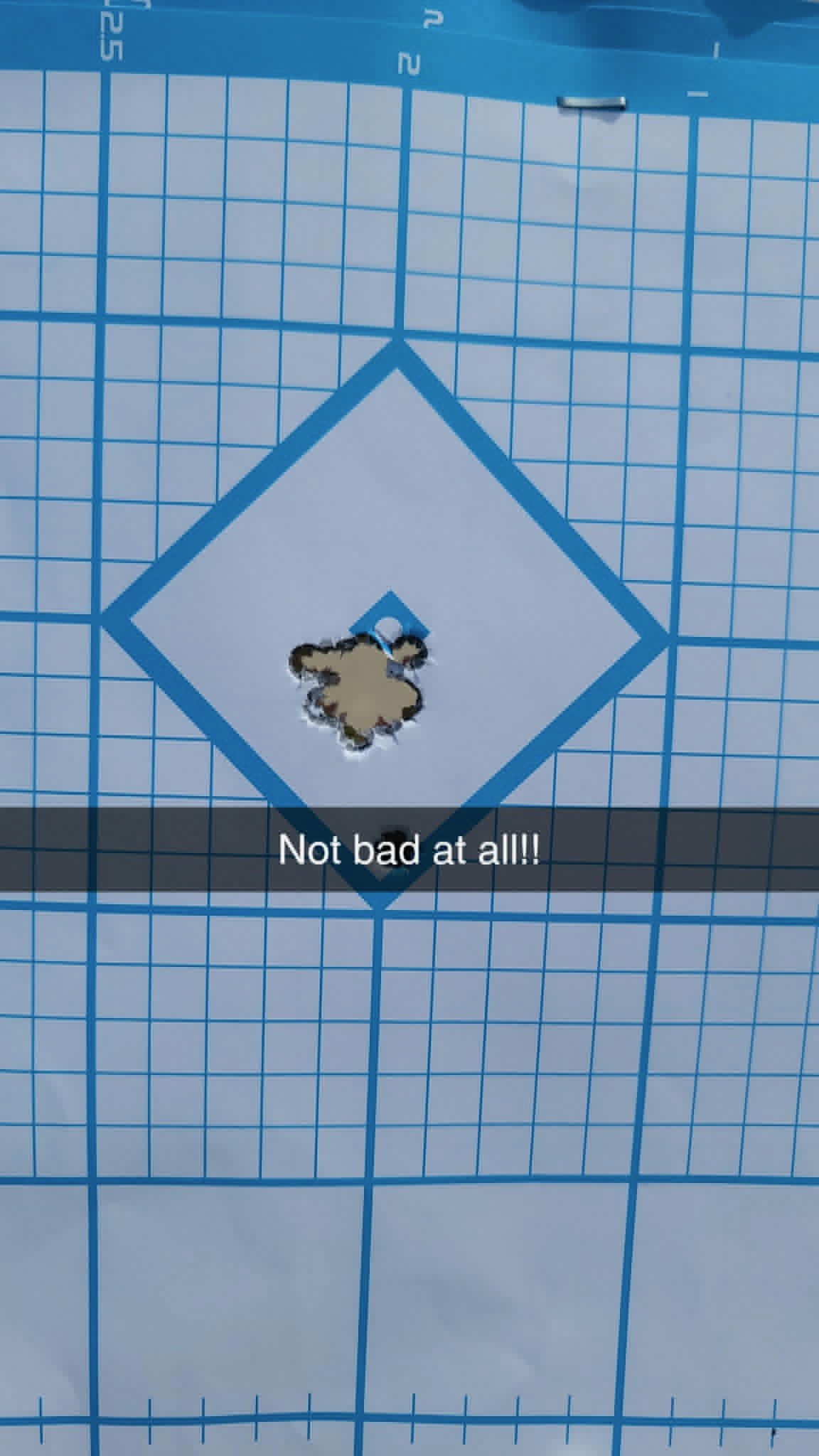
I wanted it to work. I really did. And maybe with a true precision match gun, you would see a difference at very long range. But I couldn’t see a benefit in group size or velocity SDs in my rifles.

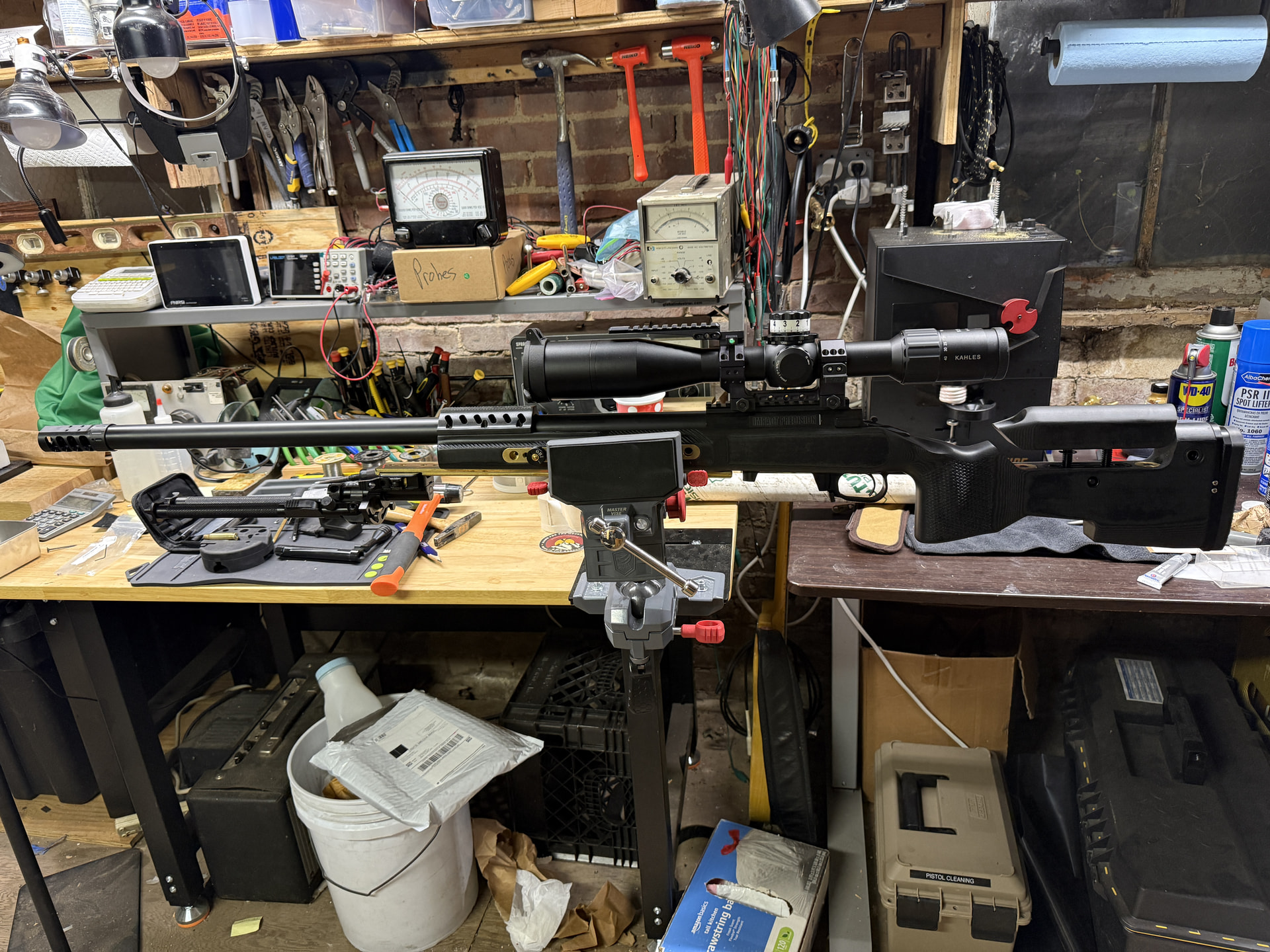
Nice set-up!
I used 2 different .308 rifles - Sig Cross and Remington 700 with a heavy match barrel (24" 5R, etc). Granted, neither of them high end or match grade, so yes there is variation galore that could bury any “signal” in my testing. But the guys poo-pooing this on youtube are using high end match guns. I truly enjoyed getting lost in that rabbit hole. I actually like tinkering with brass, doing precision work, etc. But as much as I wanted to, I couldn’t find a benefit.
Yeah your set up is awesome. and this chase is a fools errand. Im just wanting to swhat I can achieve rest assured im not in anyt need to be .4-.6 inch groups at 450yds for anything I do. The question Is can I So I think ill try once this new barrel is broken in. Im spinning this test up for another duplicat rifle I just built with a 26" crb Comp TS Customs Bartlien grey ops bottom metal foundation ms-1 737r rig . optic is diff.
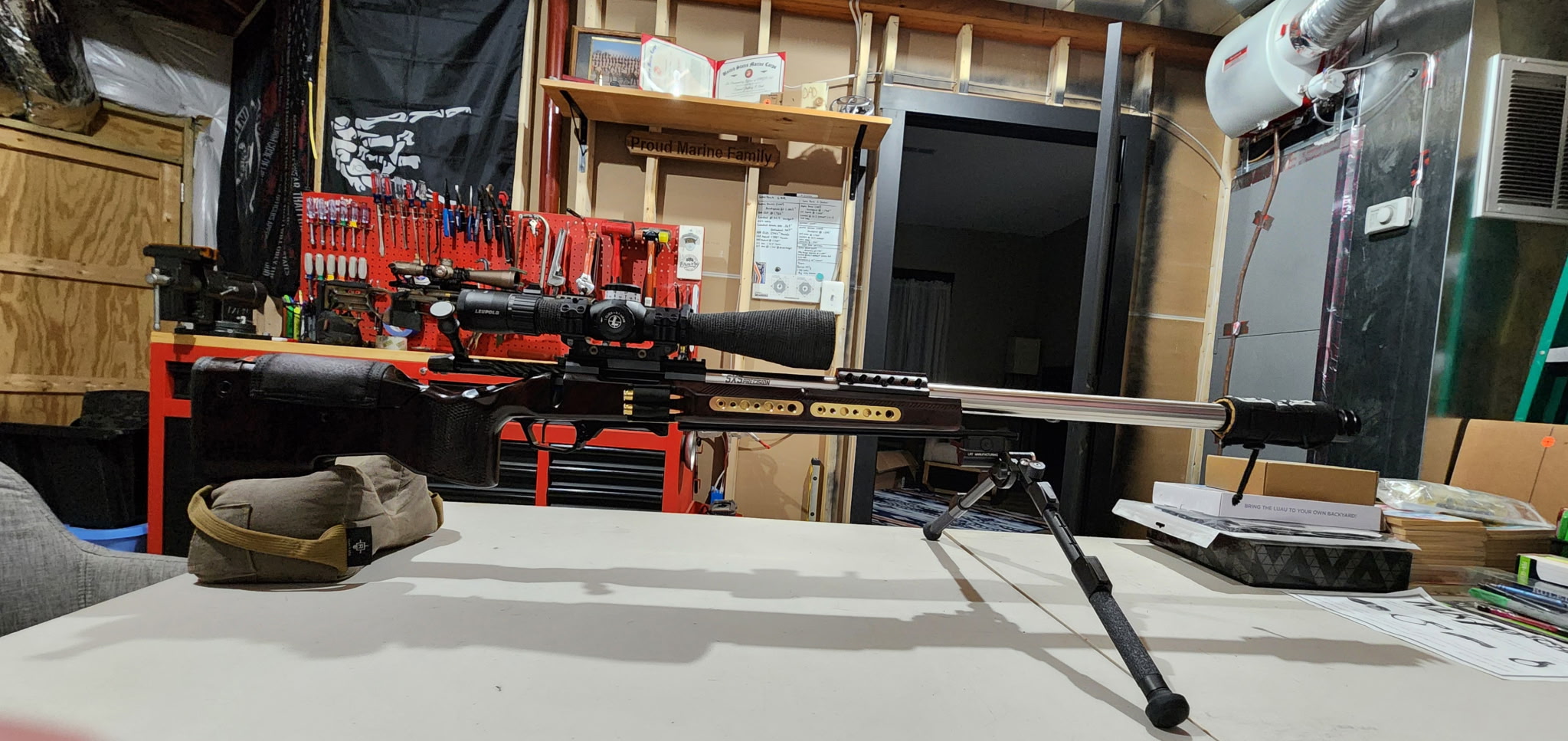
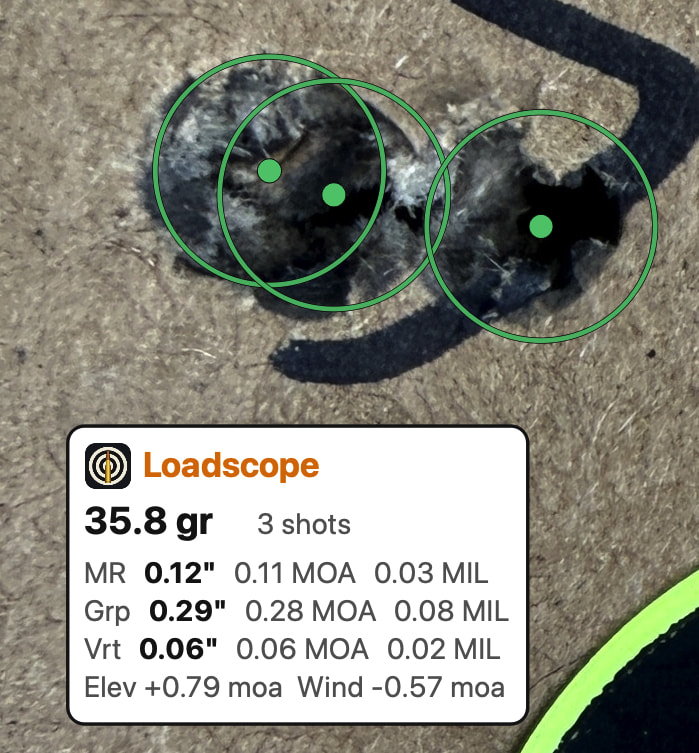
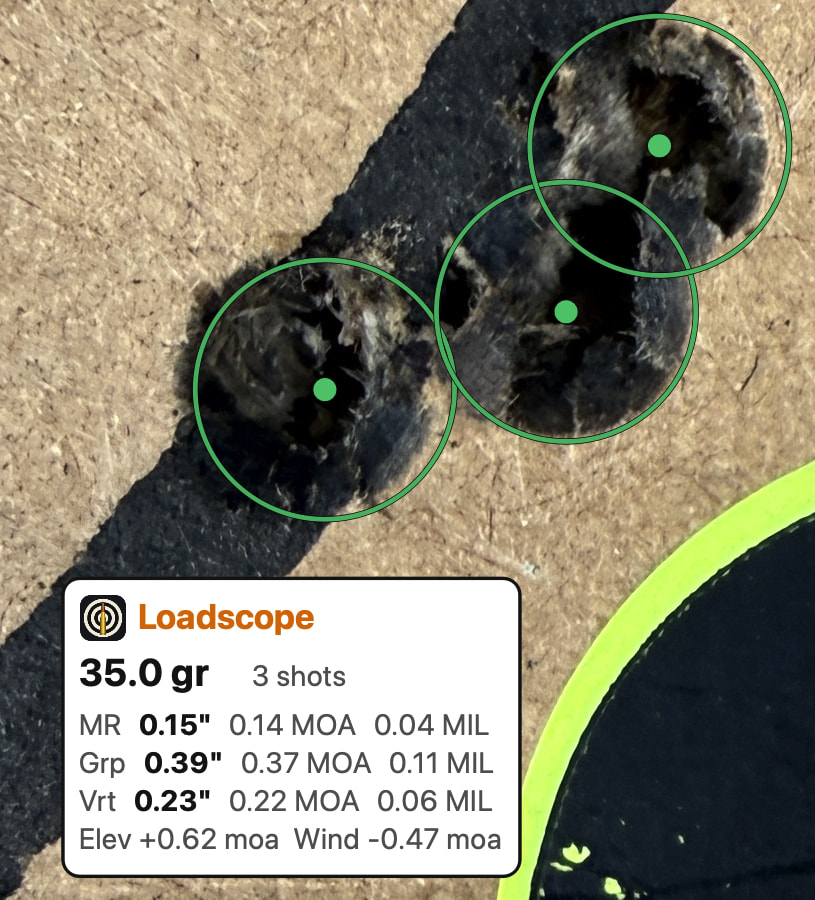
Doesn’t suck!  If there is any low hanging fruit to go after, it certainly isn’t primer pockets and flash holes.
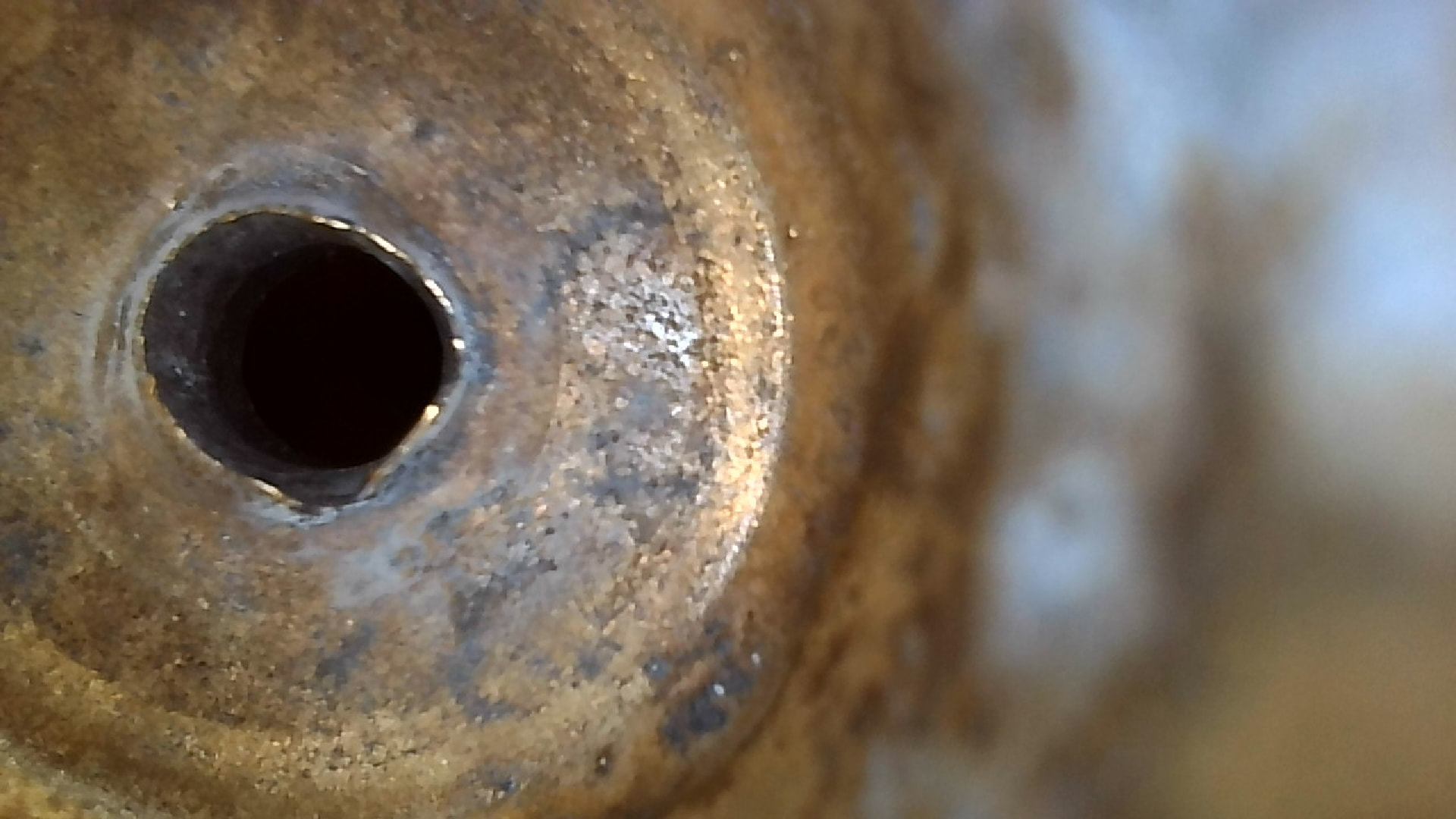
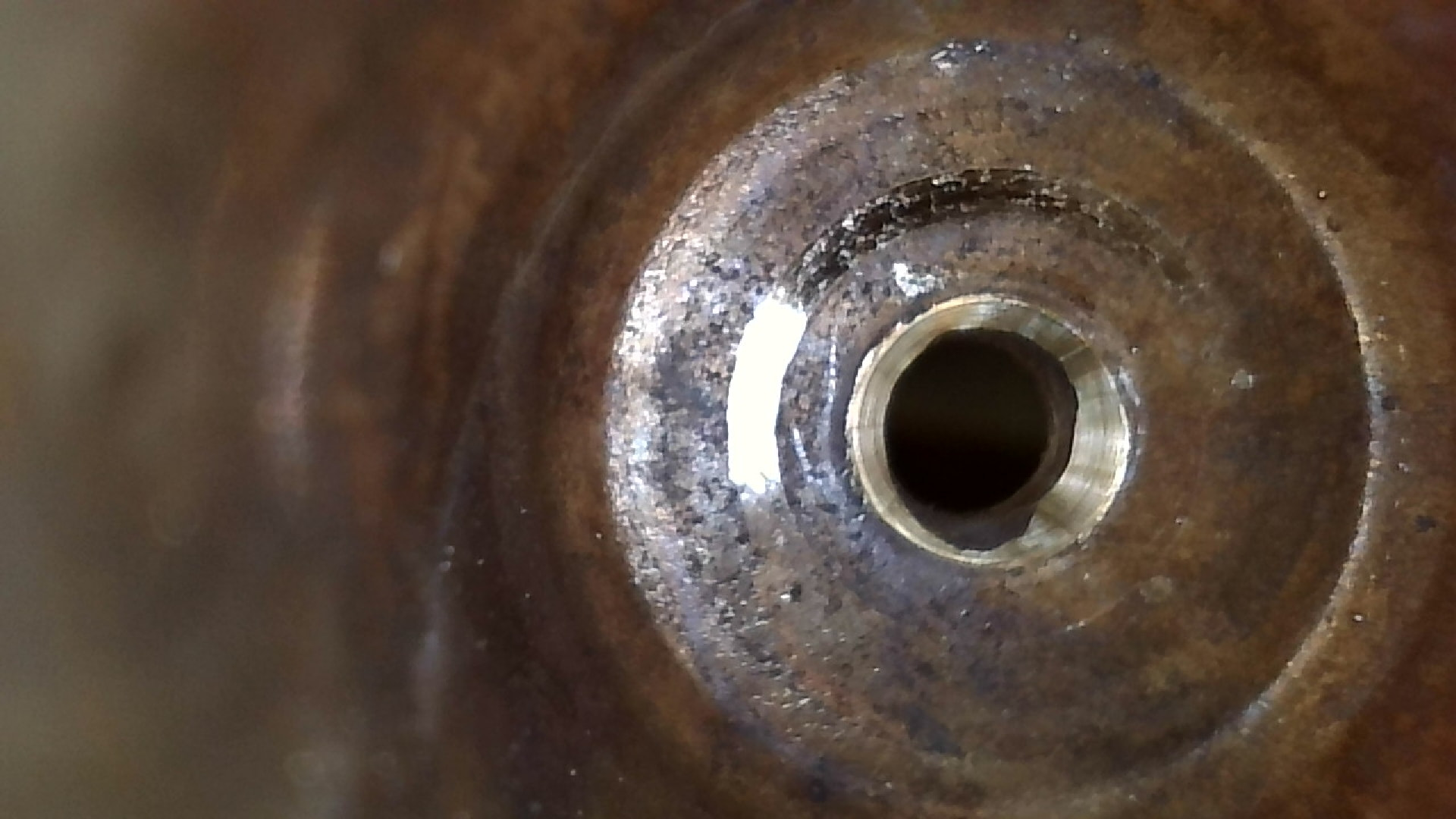
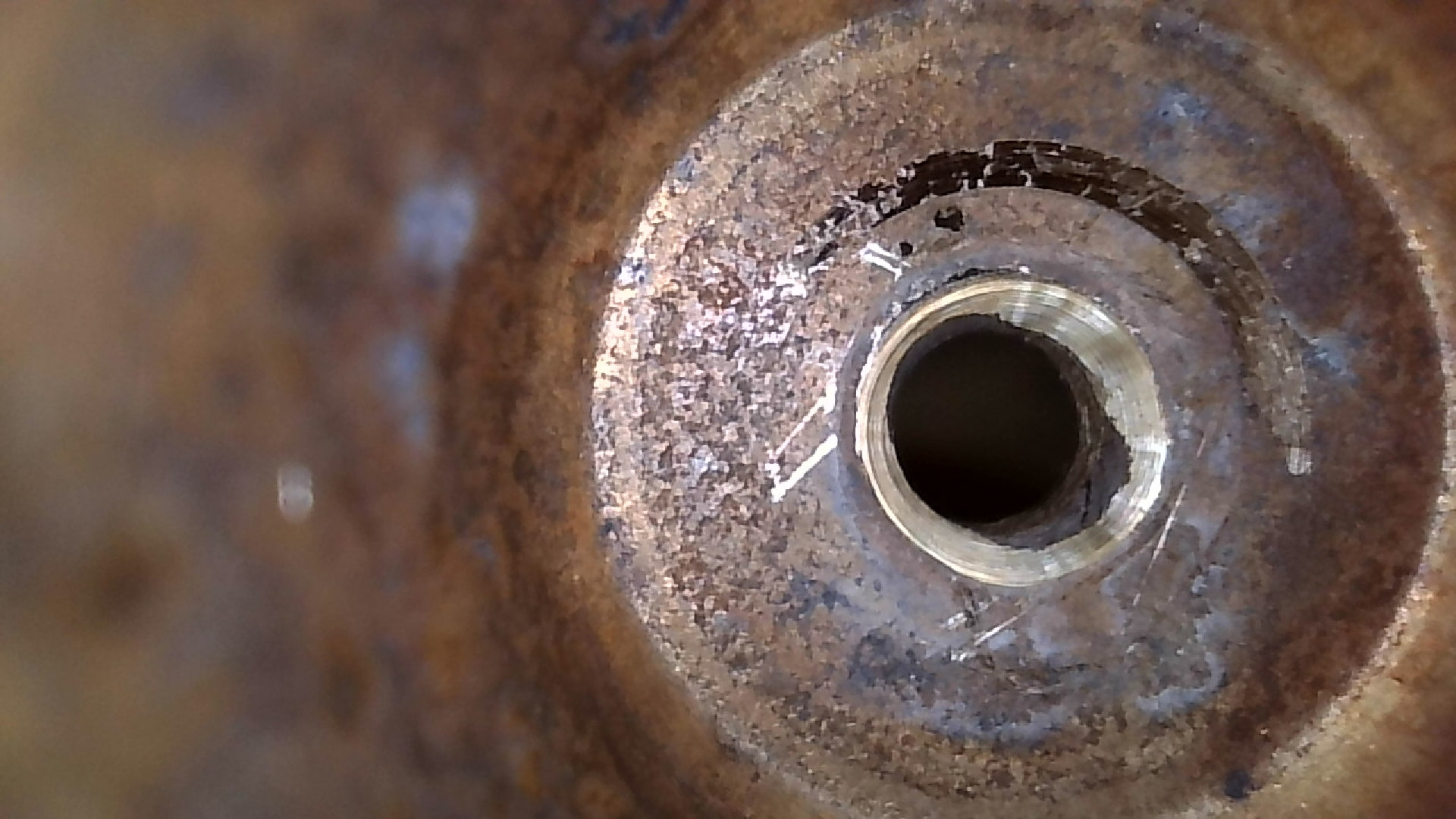
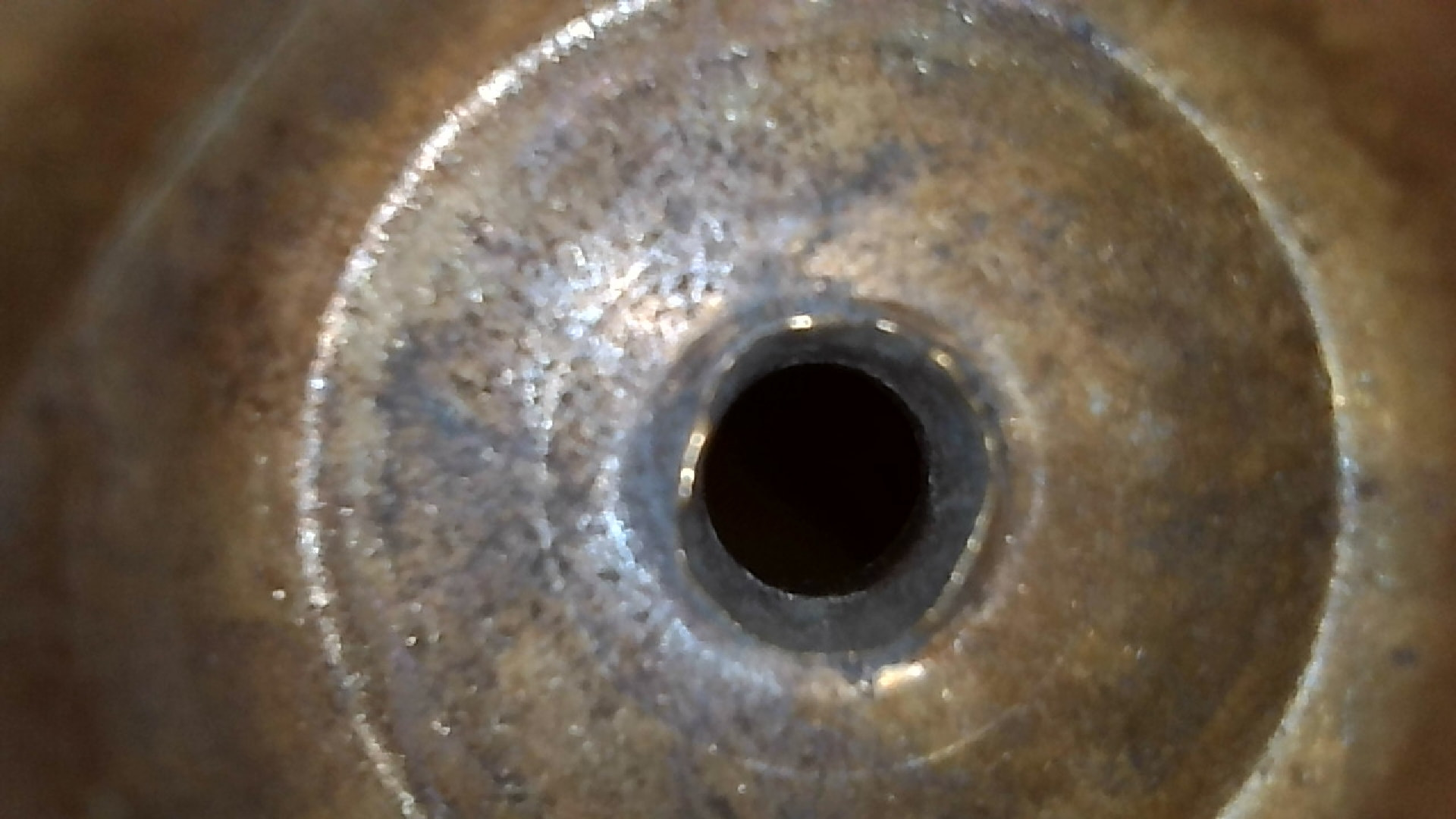
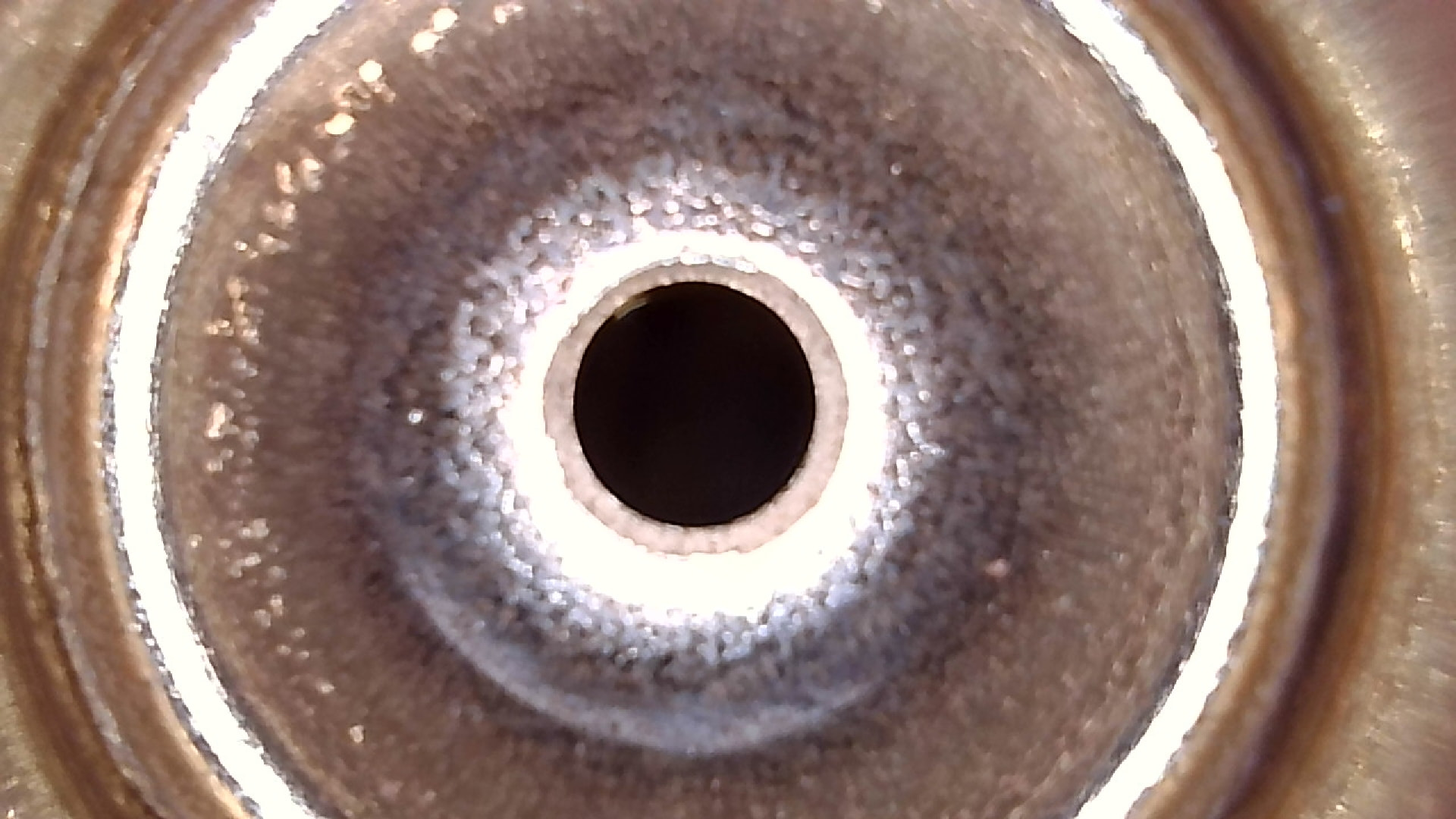
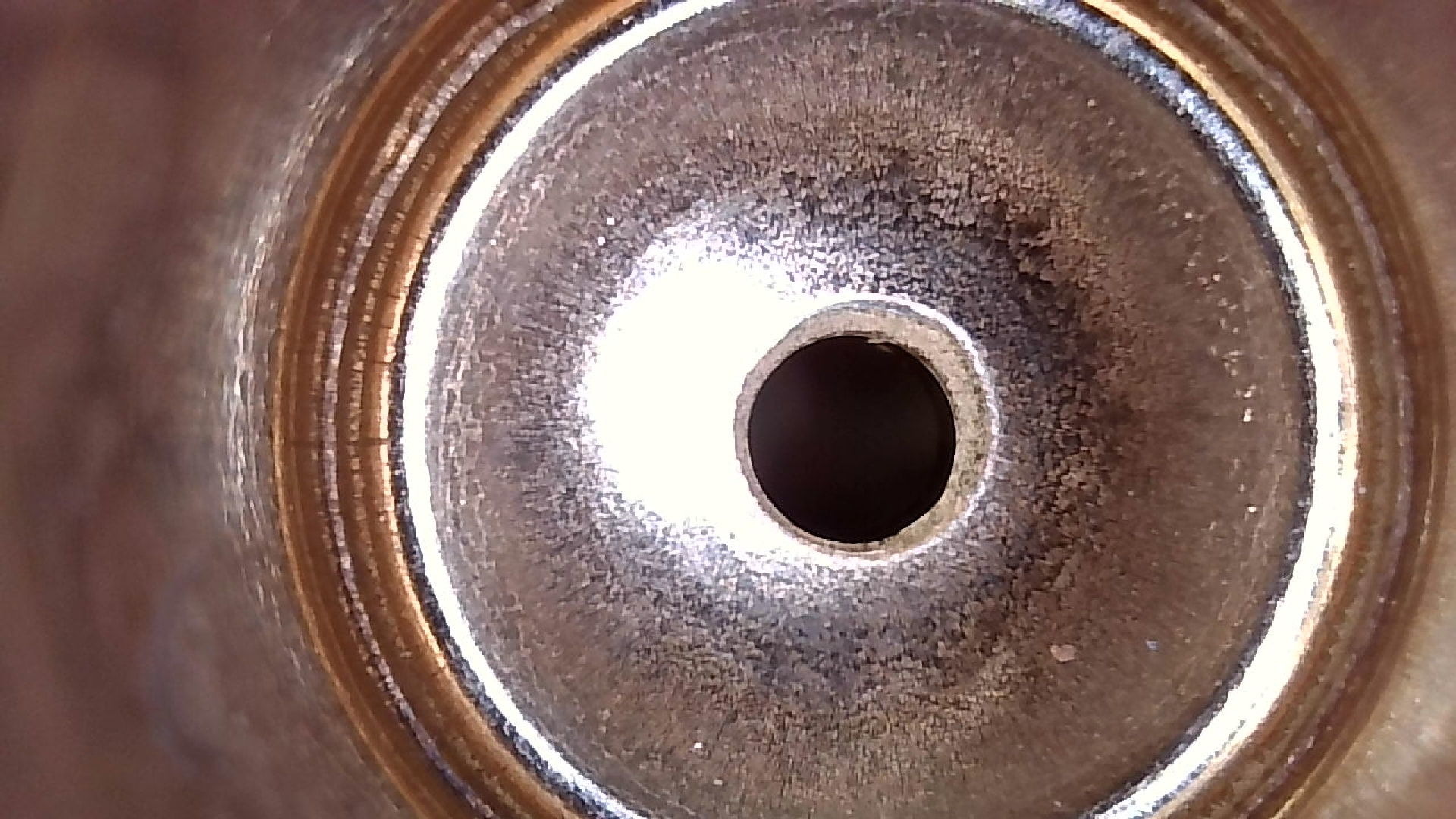
You’re addressing the internal side of the flash hole? I’ve only seen the primer side but often wondered about internal clean up.
Yes, the internal part. This is where flash hole inconsistency supposedly can cause inconsistent ignition by the primer. These pics are from a bore scope.
I’ve got a manual Lyman uniforming tool, but never thought to try it inside the case. That does make more sense though.
Thanks for this It settled
It also sorry the load was actually 35.6 not .8 the sd was 4.4 es 8
Steve, I assume the Lyman tool is hand held? I got mine from K&M Precision. You chuck it up in a cordless drill. Does the same job, just faster I just used it yesterday on some Federal factory brass. Might be the last time I use it as I’ve started to switch over to new premium brass.
Does the K&M have the ability to cret into a prep station?
Oh, good idea! Mine does not. K&M might have that option tho. Not sure.